
Perfect IPTV comparison Guide 2026

IPTV comparison is more crucial than ever in 2026. With the proliferation of providers and an ever-evolving digital landscape, discerning the best service for your entertainment needs can be a daunting task. This comprehensive guide aims to simplify the process of IPTV comparison, providing you with the essential knowledge and tools to make an informed decision. We’ll delve into the critical factors, hidden pitfalls, and emerging trends that will shape your viewing experience. Understanding the nuances of IPTV comparison will not only save you money but also ensure you get access to the content you truly desire, with the quality and reliability you expect.
Table of ContentsUnderstanding the Basics of IPTV ComparisonKey Metrics for Effective IPTV Comparison in 2026The Role of Content Library in IPTV ComparisonPricing Structures and Value in IPTV ComparisonSecurity and Legality in Your IPTV ComparisonFuture Trends and Advanced IPTV Comparison FeaturesFAQ About IPTV ComparisonRelated IPTV Services
Understanding the Basics of IPTV Comparison
Before diving deep into specific providers, it’s essential to understand what constitutes a good IPTV service and the fundamental aspects of effective IPTV comparison. IPTV (Internet Protocol Television) delivers television content over IP networks, offering a more flexible and often more feature-rich experience than traditional broadcast or cable TV. However, not all IPTV services are created equal. Factors like server stability, content library, picture quality, and customer support can vary wildly. A thorough IPTV comparison starts with recognizing these core components.
When you embark on an IPTV comparison, consider your personal viewing habits. Are you a sports fanatic, a movie buff, or someone who enjoys a wide variety of international channels? Your preferences will heavily influence which provider rises to the top of your list. Some services specialize in particular niches, while others offer a broader, more general selection. Don’t be swayed by flashy marketing alone; dig into the details of their offerings.
Another crucial aspect of IPTV comparison is understanding the technology behind the service. While you don’t need to be an IT expert, knowing about supported codecs, streaming protocols, and server infrastructure can give you an edge. A provider with a robust global server network is more likely to offer reliable, buffer-free streaming, especially during peak hours. This technical foundation is a cornerstone of any meaningful IPTV comparison.
Finally, always prioritize legality and security in your IPTV comparison. While many legitimate IPTV services exist, the market is unfortunately also home to unauthorized providers. Opting for a reputable service not only ensures a stable viewing experience but also protects you from potential legal issues and security risks. Always check reviews and do your due diligence before committing to any service. For details on various packages, you might want to visit our pricing page.
Key Metrics for Effective IPTV Comparison in 2026
In 2026, several key metrics will dominate the landscape of IPTV comparison. The sheer volume of content available means that channel count alone is no longer the sole differentiator. Instead, focus on the quality and relevance of the channels offered. Are they in high definition? Do they include 4K options? Is there a good balance of live TV, on-demand content, and catch-up services? These questions are vital for a comprehensive IPTV comparison.
Server reliability and uptime are paramount. Nothing is more frustrating than buffering or service interruptions during a crucial moment. When performing an IPTV comparison, look for providers that explicitly state their uptime guarantees and have a proven track record of stable service. User reviews and independent testing can provide valuable insights into a provider’s real-world performance. A service with consistently high uptime is a strong indicator of a well-managed and reliable platform.
Device compatibility is another significant factor in your IPTV comparison. In an era of diverse smart devices, your chosen IPTV service should seamlessly integrate with your existing hardware. Whether you use a smart TV, a streaming stick, a tablet, or a smartphone, ensure the service offers dedicated apps or supports standard protocols like M3U playlists. You can explore compatible devices on our devices page.
Customer support often gets overlooked until something goes wrong. A responsive and knowledgeable support team can make all the difference. When conducting an IPTV comparison, investigate the support channels offered (live chat, email, phone) and their typical response times. Read testimonials about their problem-solving capabilities. Excellent customer service ensures that any issues you encounter are resolved swiftly, minimizing disruption to your entertainment.
The Role of Content Library in IPTV Comparison
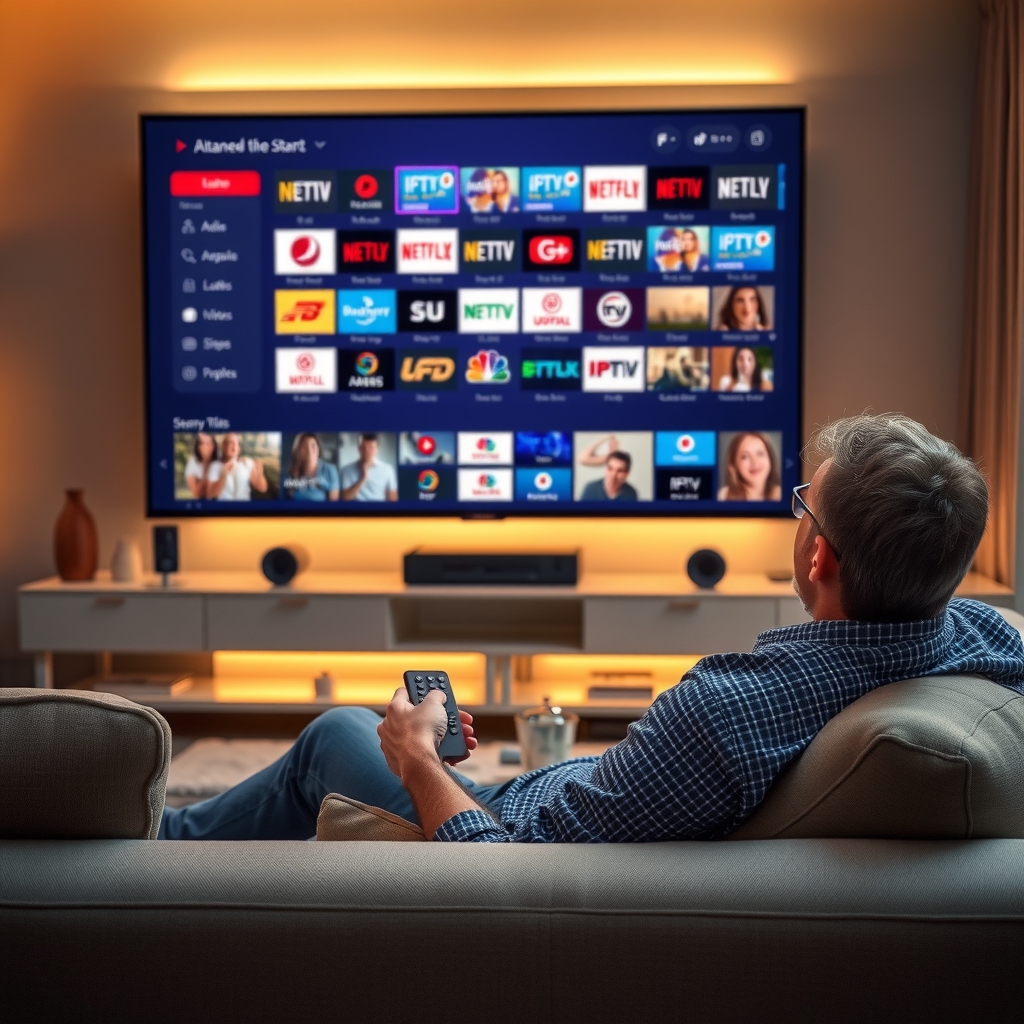
The core of any entertainment service is its content, and this holds especially true for IPTV. A thorough IPTV comparison must place significant emphasis on the breadth, depth, and quality of the content library. It’s not just about the number of channels; it’s about having access to the shows, movies, sports, and international programming that matter most to you.
When assessing a provider’s content, look beyond the headline figures. Do they offer a good selection of live sports channels, including regional and international leagues? Are there dedicated channels for specific genres like documentaries, news, or children’s programming? For movie buffs, a robust video-on-demand (VOD) library with recent releases and classics is a major plus. Consider exploring our channels page to see the variety we offer.
International content is a significant draw for many IPTV users. If you’re looking for programming from specific countries or in particular languages, ensure the provider excels in this area. Some services specialize in offering extensive international channel packages, making them ideal for expatriates or those with diverse cultural interests. This aspect is often a key differentiator in any detailed IPTV comparison.
Furthermore, consider the availability of catch-up TV and DVR features. These allow you to watch missed shows at your convenience or record live broadcasts. Such functionalities add immense value and flexibility to your viewing experience, moving beyond just live streaming. A service that offers comprehensive catch-up and recording options often stands out in a crowded IPTV comparison.
Pricing Structures and Value in IPTV Comparison
Price is undeniably a major factor in any purchasing decision, and IPTV comparison is no exception. However, focusing solely on the cheapest option can be a false economy. True value comes from balancing cost with the quality, reliability, and features offered. A slightly more expensive service might provide a superior experience, making it a better long-term investment.
When evaluating pricing during your IPTV comparison, look beyond the monthly subscription fee. Are there any hidden costs, such as setup fees, activation charges, or additional fees for premium channels? Some providers offer tiered packages, so assess which tier best aligns with your content needs. Be wary of providers offering prices that seem too good to be true, as they often come with significant compromises in service quality or legality.
Consider the flexibility of subscription plans. Do providers offer monthly, quarterly, or annual options? Annual plans often come with a discount, but ensure you’re satisfied with the service before committing to a long-term contract. Many reputable IPTV providers offer trial periods, which are invaluable for a real-world IPTV comparison before you make a financial commitment. This allows you to test the service’s performance, content, and compatibility with your devices.
Finally, factor in the overall value proposition. Does the service justify its price point with its channel selection, streaming quality, customer support, and additional features? A comprehensive IPTV comparison weighs all these elements to determine which provider offers the most bang for your buck. Remember, the cheapest option isn’t always the best value. For a clear breakdown of our offerings, check out our pricing plans.
Security and Legality in Your IPTV Comparison
In the vast world of online streaming, the importance of security and legality in your IPTV comparison cannot be overstated. While IPTV technology itself is legal, the legality of specific services hinges on whether they have the proper licenses and rights to distribute the content they offer. Choosing an unauthorized provider can expose you to risks, including service interruptions, malware, and even legal repercussions in some regions.
When conducting an IPTV comparison, always research the provider’s reputation and business practices. Look for transparency regarding their licensing and content acquisition. Reputable services often have clear terms of service and privacy policies. Be wary of providers that operate in the shadows, offer an implausibly large number of premium channels for a very low price, or require unusual payment methods. These can be red flags indicating an illicit operation.
Security goes hand-in-hand with legality. A legitimate IPTV service will typically employ robust security measures to protect your personal data and payment information. They will use encrypted connections and adhere to data protection regulations. An unauthorized service, on the other hand, might not have these safeguards in place, potentially leaving your sensitive information vulnerable. This is a critical aspect of any responsible IPTV comparison.
Furthermore, consider the use of VPNs (Virtual Private Networks) in conjunction with your IPTV service. While not directly related to the provider’s legality, a VPN can enhance your online privacy and security, especially when streaming. It can also help bypass geo-restrictions that some legitimate services might impose. Integrating a VPN into your setup is a wise practice, regardless of the outcome of your IPTV comparison, ensuring an extra layer of protection and access.
Future Trends and Advanced IPTV Comparison Features
As 2026 progresses, the IPTV landscape continues to evolve, bringing new features and trends that will influence future IPTV comparison. One significant trend is the increasing integration of AI and machine learning for personalized content recommendations. Providers leveraging these technologies can offer a more tailored viewing experience, suggesting shows and movies based on your past habits and preferences.
Another emerging area in advanced IPTV comparison is the adoption of cloud-based DVR services. Instead of relying on local storage, users can record and store content in the cloud, accessible from any device. This offers unparalleled flexibility and convenience. Look for providers that are investing in these next-generation features, as they often indicate a commitment to innovation and user experience.
Interactive features are also gaining traction. Imagine being able to vote on reality shows in real-time, participate in quizzes related to a program, or even shop for items featured on screen directly through your IPTV interface. While still in nascent stages for many, these interactive elements will become a key differentiator in future IPTV comparison. Providers that embrace interactivity will offer a more engaging and dynamic entertainment platform.
Finally, the demand for ultra-high-definition content, including 4K and even 8K streaming, will continue to grow. When performing your IPTV comparison, check if providers are investing in the infrastructure and content licenses to deliver these high-quality streams consistently. As internet speeds improve globally, the expectation for crystal-clear, immersive viewing experiences will become the norm. Staying updated on these trends will ensure your IPTV comparison leads you to a future-proof service.
FAQ About IPTV Comparison
Q1: What are the most important factors for IPTV comparison?
The most important factors include content library (channels, VOD), streaming quality and reliability, device compatibility, customer support, and pricing. Legality and security are also paramount considerations.
Q2: How can I test an IPTV service before committing?
Many reputable IPTV providers offer trial periods, often for 24 to 72 hours. This allows you to test the service’s performance, channel lineup, and compatibility with your devices before purchasing a longer subscription. Always look for these trial options during your IPTV comparison.
Q3: Is it legal to use IPTV services?
IPTV technology itself is legal. However, the legality of individual services depends on whether they have obtained the necessary licenses and rights to distribute the content they offer. Always choose reputable providers to ensure you are using a legal service.
Q4: What kind of internet speed do I need for IPTV?
For standard definition (SD) content, a minimum of 5-10 Mbps is usually sufficient. For high definition (HD), 15-20 Mbps is recommended, and for 4K streaming, you’ll need at least 25-50 Mbps or higher for a smooth, buffer-free experience. Faster speeds are always better for IPTV comparison.
Q5: Can I use IPTV on multiple devices simultaneously?
This depends entirely on the IPTV provider and your chosen subscription package. Some providers allow multiple simultaneous streams, while others restrict it to a single device. Check the provider’s terms of service or ask their customer support during your IPTV comparison to clarify their policy.
Related IPTV Services
You may also visit the following websites for similar services:
Related Articles
Interested in IPTV Lifetime?
Get premium IPTV lifetime access with 25,000+ channels and 26,000+ movies. Contact us to learn more about our lifetime IPTV subscription plans.
View IPTV Lifetime Plans