Outstanding IPTV for smart TV Guide 2026
IPTV for smart TV is revolutionizing the way we consume entertainment, transforming our living rooms into dynamic media hubs. In 2026, the integration of IPTV for smart TV has reached new heights, offering unparalleled access to a vast array of content directly through your internet connection. This guide will delve into everything you need to know about optimizing your smart TV experience with IPTV, ensuring you’re at the forefront of digital entertainment. The convenience and flexibility of IPTV for smart TV are undeniable, making it an essential component for any modern household seeking diverse and high-quality programming.
Table of ContentsUnderstanding IPTV for Smart TV: What’s New in 2026?Choosing the Right IPTV Service for Your Smart TVSetting Up IPTV for Smart TV: A Step-by-Step GuideOptimizing Your IPTV for Smart TV Viewing ExperienceTroubleshooting Common IPTV for Smart TV IssuesThe Future of IPTV for Smart TV: Trends to Watch in 2026 and BeyondLegal and Ethical Considerations for IPTV for Smart TVFAQ: Your IPTV for Smart TV Questions AnsweredRelated IPTV Services
Understanding IPTV for Smart TV: What’s New in 2026?
Internet Protocol Television (IPTV) has evolved significantly, especially for smart TVs. In 2026, the technology behind IPTV has become more robust, offering lower latency, higher resolution streams, and more intuitive user interfaces tailored specifically for smart TV operating systems. This means a smoother, more reliable viewing experience, free from the buffering and quality issues that sometimes plagued earlier iterations.
The core concept remains the same: instead of receiving television broadcasts through traditional aerials, satellite dishes, or cable, IPTV delivers content over the internet. What’s new is the sophisticated backend infrastructure and advanced codecs that ensure seamless integration with your smart TV’s native apps and features. This allows for a truly integrated entertainment ecosystem, where live TV, on-demand content, and interactive services coexist harmoniously.
Furthermore, security protocols for IPTV services have been enhanced, providing greater protection for user data and content. This is a crucial development as more individuals rely on IPTV for their primary source of entertainment. Providers are now employing state-of-the-art encryption and authentication methods to safeguard your viewing experience and personal information, making IPTV pricing more transparent and secure than ever before.
The adaptability of IPTV for smart TV also extends to its compatibility with various smart TV brands and operating systems. Whether you own a Samsung, LG, Sony, or any other smart TV, chances are there’s a dedicated app or a compatible player that can unlock the full potential of IPTV. This universal accessibility is a key driver behind its growing popularity in 2026.
Choosing the Right IPTV Service for Your Smart TV
Selecting the best IPTV service is paramount to a satisfying viewing experience. With countless providers in the market, it’s crucial to know what to look for. Key factors include channel variety, stream quality, reliability, and customer support. A good IPTV provider will offer a diverse range of channels, including international options, sports, movies, and documentaries, catering to all tastes and preferences. You can explore the vast selection of IPTV channels available through reputable providers.
Stream quality is non-negotiable. Look for providers that offer high-definition (HD), Full HD (1080p), and even 4K content, ensuring a crisp and immersive visual experience on your smart TV. Reliability is equally important; constant buffering or service interruptions can quickly diminish the enjoyment of IPTV for smart TV. Reputable services invest in robust server infrastructure to guarantee minimal downtime and consistent performance.
Customer support is another critical aspect. In case of any issues, prompt and effective support can make a significant difference. Check for providers that offer multiple support channels, such as live chat, email, or phone, with knowledgeable representatives ready to assist. Many providers also offer trial periods, which are an excellent way to test the service before committing to a long-term subscription.
Consider the user interface and overall ease of use. A well-designed app for your smart TV will make navigating channels and content intuitive and enjoyable. Look for features like electronic program guides (EPG), catch-up TV, and video-on-demand (VOD) libraries, which enhance the overall IPTV for smart TV experience.
Setting Up IPTV for Smart TV: A Step-by-Step Guide
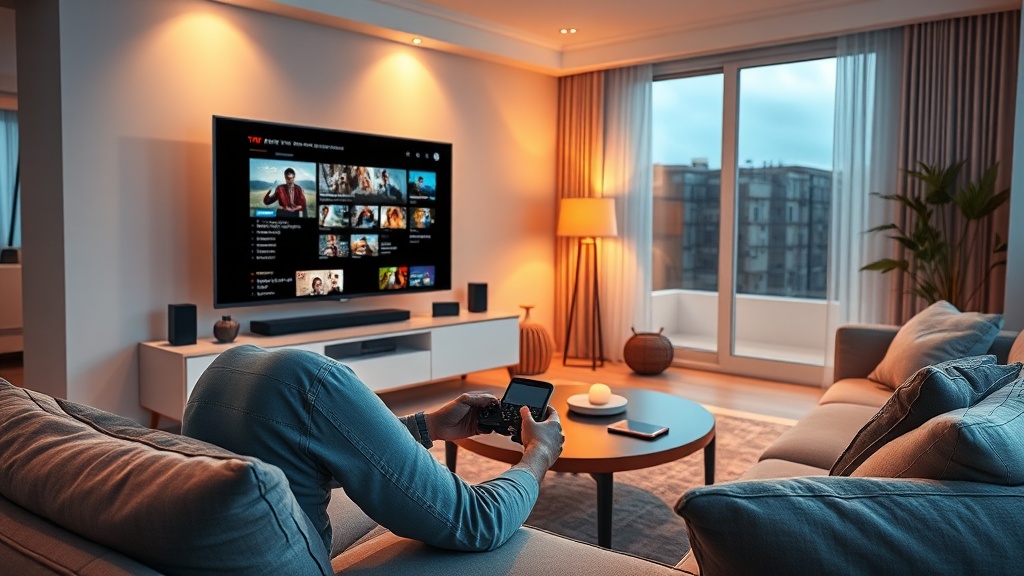
Getting IPTV up and running on your smart TV is typically a straightforward process, though it can vary slightly depending on your TV’s brand and operating system. The most common method involves downloading a dedicated IPTV app from your smart TV’s app store. Popular apps include Smart IPTV, SS IPTV, GSE Smart IPTV, and TiviMate, among others. Once installed, you will usually need to enter your M3U playlist URL or Xtream Codes API details, which are provided by your IPTV service provider.
For those smart TVs that might not have a direct app, or if you prefer more advanced features, you can often cast content from a mobile device or use an external IPTV box connected to your smart TV. However, direct app integration offers the most seamless and integrated experience. Make sure your smart TV is connected to a stable and fast internet connection, preferably via Ethernet for optimal performance, though a strong Wi-Fi signal can also work effectively.
After entering your service details, the app will load your channel list and VOD library. You can then begin browsing and watching content. It’s often recommended to restart your TV after the initial setup to ensure all settings are correctly applied. For a smooth experience, ensure your smart TV’s software is up to date, as updates often include performance enhancements and bug fixes that can improve IPTV playback.
Some advanced users might opt for a VPN (Virtual Private Network) to enhance privacy and access geo-restricted content. If you choose this route, ensure your VPN is compatible with your smart TV or router. Setting up IPTV for smart TV doesn’t have to be complicated, and with a little guidance, you’ll be enjoying a world of entertainment in no time. You can also review supported devices for more information on compatibility.
Optimizing Your IPTV for Smart TV Viewing Experience
To get the most out of your IPTV for smart TV, several optimization tips can significantly enhance your viewing pleasure. First and foremost, ensure you have a high-speed internet connection. IPTV relies heavily on bandwidth, especially for HD and 4K streams. A minimum of 25 Mbps is generally recommended for a single 4K stream, with higher speeds needed for multiple simultaneous streams or higher household internet usage.
Consider using an Ethernet cable to connect your smart TV directly to your router instead of Wi-Fi. A wired connection provides greater stability and speed, reducing the chances of buffering and dropped connections. If Wi-Fi is your only option, ensure your router is strategically placed to minimize interference and maximize signal strength to your smart TV.
Regularly clear the cache of your IPTV app and your smart TV. Over time, cached data can accumulate and slow down performance. Most smart TVs have an option in their settings to clear app caches, which can help in maintaining smooth operation. Keeping your smart TV’s operating system and your IPTV app updated to their latest versions is also crucial, as updates often include performance improvements and bug fixes.
Adjust your smart TV’s picture and sound settings to complement the IPTV content. Experiment with different picture modes (e.g., Cinema, Standard, Dynamic) to find what looks best for various types of programming. Similarly, fine-tune audio settings for an immersive sound experience. These small adjustments can make a big difference in the overall quality of your IPTV for smart TV experience.
Troubleshooting Common IPTV for Smart TV Issues
Even with the best setup, you might occasionally encounter issues with IPTV for smart TV. Knowing how to troubleshoot common problems can save you a lot of frustration. One of the most frequent issues is buffering. This is often due to a slow internet connection or network congestion. Try restarting your router and modem, and check your internet speed. If the problem persists, consider upgrading your internet plan or using a wired connection.
Another common problem is channels not loading or displaying an error message. This could be due to an expired subscription, incorrect M3U URL/Xtream Codes, or server issues on the provider’s end. Double-check your subscription status and make sure your login details are correct. If everything seems fine on your end, contact your IPTV service provider for assistance. They can verify if there are any ongoing server maintenance or issues.
Picture quality issues, such as pixelation or low resolution, can stem from insufficient bandwidth or the provider offering lower quality streams. Ensure your internet speed is adequate for the content you’re trying to watch. If the issue is widespread across many channels, it might be an issue with the provider’s stream quality. You can always check iptvput.com for reliable service options.
App crashes or freezing can often be resolved by clearing the app’s cache or reinstalling the app. If your smart TV itself is slow or unresponsive, a full power cycle (unplugging it from the wall for a few minutes) can often resolve minor software glitches. Always remember to consult your IPTV provider’s support resources or community forums, as they often have solutions to frequently asked questions.
The Future of IPTV for Smart TV: Trends to Watch in 2026 and Beyond
The landscape of IPTV for smart TV is continuously evolving, with exciting trends shaping its future. In 2026, we are seeing a greater emphasis on AI-driven personalized content recommendations. Smart TVs are becoming even smarter, learning your viewing habits and suggesting content tailored specifically to your interests, making content discovery more efficient and enjoyable. This level of personalization elevates the user experience beyond traditional linear television.
Integration with smart home ecosystems is another significant trend. Imagine controlling your IPTV for smart TV with voice commands through your smart assistant, or having your lights automatically dim when you start a movie. This seamless integration creates a more cohesive and convenient home entertainment environment. The lines between various smart devices are blurring, and IPTV is at the heart of this convergence.
Interactive content and augmented reality (AR) are also on the horizon. While still in nascent stages for mainstream IPTV, expect to see more interactive elements in live broadcasts, allowing viewers to participate in polls, quizzes, or even choose different camera angles for sports events. AR could bring an extra layer of information or immersive experiences directly onto your screen, enriching the viewing experience of IPTV for smart TV.
Furthermore, cloud-based DVR services are becoming standard, offering greater flexibility for recording and watching content later, without the need for physical storage devices. The move towards more robust and secure cloud infrastructure ensures that your favorite shows are always accessible. The future of IPTV for smart TV promises even greater customization, interactivity, and integration, solidifying its position as the dominant form of television consumption.
Legal and Ethical Considerations for IPTV for Smart TV
While IPTV for smart TV offers incredible advantages, it’s crucial to be aware of the legal and ethical implications. The legality of IPTV largely depends on the source of the content. Services that provide licensed content from legitimate broadcasters and content creators are perfectly legal. However, there are many “pirate” IPTV services that illegally stream copyrighted content without proper licensing. Engaging with such services can have legal consequences, including fines or even more severe penalties, depending on your jurisdiction.
Always ensure that the IPTV provider you choose is legitimate and holds the necessary licenses for the content they offer. Look for providers that clearly state their compliance with copyright laws and offer transparent terms of service. Reputable providers will typically have clear pricing structures, official websites, and responsive customer support, as seen with services listed on iptvput.com/pricing.
Beyond legal ramifications, there are ethical considerations. Supporting legitimate content creators and broadcasters ensures the continued production of high-quality programming. Piracy undermines the entertainment industry, impacting everyone from actors and directors to production crews and technical staff. By choosing legal IPTV for smart TV services, you contribute to a sustainable ecosystem for content creation.
It’s also advisable to be cautious about sharing personal information with unknown IPTV providers. Legitimate services will have robust privacy policies and secure payment gateways. Always do your due diligence and research any provider thoroughly before subscribing. Staying informed about the legal landscape of IPTV in your region is also important, as regulations can vary and evolve over time, ensuring a safe and compliant IPTV for smart TV experience.
FAQ: Your IPTV for Smart TV Questions Answered
Q1: Is IPTV legal to use on my smart TV?
A1: The legality of IPTV depends entirely on the source of the content. If you subscribe to a service that legally licenses its content from broadcasters and content creators, then it is legal. However, if a service provides copyrighted content without permission, it is illegal. Always choose reputable providers to ensure you are compliant with the law.
Q2: What internet speed do I need for IPTV for smart TV?
A2: For standard definition (SD) content, about 5-10 Mbps is usually sufficient. For high-definition (HD) content, 15-25 Mbps is recommended. If you plan to stream 4K content, you’ll need at least 25-50 Mbps, and more if multiple devices are using the internet simultaneously.
Q3: Can I use any smart TV for IPTV?
A3: Most modern smart TVs are compatible with IPTV, either through dedicated apps available on their app stores (like Smart IPTV, SS IPTV) or by casting from a mobile device. Ensure your smart TV’s operating system is up to date for the best compatibility and performance.
Q4: What’s the difference between IPTV and traditional cable TV?
A4: Traditional cable TV delivers content via coaxial cables, while IPTV delivers content over the internet using Internet Protocol. IPTV offers more flexibility, on-demand content, and often a wider range of international channels, as well as features like catch-up TV and personalized recommendations not typically found in traditional cable.
Q5: How do I find a reliable IPTV for smart TV provider?
A5: Look for providers with positive reviews, clear pricing, transparent terms of service, and responsive customer support. Many legitimate providers offer trial periods, which are excellent for testing the service quality and channel selection before committing to a subscription. Check their website for information on channel lineups and supported devices.
Related IPTV Services
You may also visit the following websites for similar services:
Related Articles
Interested in IPTV Lifetime?
Get premium IPTV lifetime access with 25,000+ channels and 26,000+ movies. Contact us to learn more about our lifetime IPTV subscription plans.
View IPTV Lifetime Plans