
Amazing IPTV vs cable TV Guide 2026

IPTV vs cable TV is a debate that continues to evolve as technology advances and consumer preferences shift. In 2026, understanding the nuances between these two dominant television delivery methods is more crucial than ever for making an informed decision about your home entertainment. This comprehensive guide will delve deep into the technical differences, benefits, drawbacks, and future outlook of IPTV vs cable TV, helping you navigate the complex landscape of digital media consumption. We’ll explore everything from picture quality and channel selection to pricing models and flexibility, giving you a clear picture of which service might be best suited for your needs in the coming years. The comparison of IPTV vs cable TV isn’t just about what you watch, but how you watch it, and the overall experience it provides.
Table of ContentsThe Fundamental Differences: How IPTV vs cable TV WorksChannel Selection and Content Diversity in IPTV vs cable TVPicture Quality, Reliability, and Performance: IPTV vs cable TVCost-Effectiveness and Pricing Models: IPTV vs cable TVAdvanced Features and Interactivity: The Edge of IPTV vs cable TVThe Future Landscape of Entertainment: IPTV vs Cable TV in 2026Choosing the Right Entertainment for You: IPTV vs Cable TVInstallation and Setup: IPTV vs Cable TV SimplicityFAQRelated IPTV Services
The Fundamental Differences: How IPTV vs cable TV Works
The core distinction between IPTV and cable TV lies in their transmission methods. Cable TV, a long-standing technology, delivers television signals through coaxial cables. These physical connections transmit a fixed set of channels to your television, requiring a cable box to decode the signals. It’s a broadcast model, where all subscribers receive the same signals simultaneously, regardless of what they are actually watching.
IPTV, or Internet Protocol Television, operates fundamentally differently. It leverages your internet connection to deliver television content. Think of it like streaming a video on YouTube or Netflix, but for live TV and on-demand programming. The content is broken down into data packets and sent over the internet, allowing for a more interactive and personalized viewing experience. This internet-based delivery is a game-changer when considering the future of home entertainment and the ongoing discussion of IPTV vs cable TV.
This difference in infrastructure has profound implications for everything from channel availability and interactivity to picture quality and reliability. While cable TV relies on a dedicated, physical network, IPTV harnesses the power and flexibility of the internet. This fundamental divergence shapes the entire user experience and is a key factor in the ongoing debate of IPTV vs cable TV.
Understanding these technical underpinnings is the first step in appreciating the strengths and weaknesses of each service. As we move further into 2026, the internet’s ubiquity makes IPTV an increasingly attractive alternative, but cable TV still holds its own in certain aspects.
Channel Selection and Content Diversity in IPTV vs cable TV
When it comes to channel selection, both IPTV and cable TV offer a vast array of options, but their approaches differ significantly. Cable TV typically provides bundled packages, meaning you subscribe to a set number of channels, often grouped by genre or popularity. While these bundles can be comprehensive, they often include channels you may never watch, leading to higher costs for unused content.
IPTV, on the other hand, often offers more flexible and customizable channel lineups. Many IPTV providers allow users to subscribe to specific channel packages or even individual channels, giving them greater control over their content and budget. This à la carte approach is a major draw for consumers who want to tailor their viewing experience. The sheer diversity of content available through IPTV, including international channels and niche programming, often surpasses traditional cable offerings, making the choice between IPTV channels and cable even more compelling.
Furthermore, IPTV often integrates with on-demand services and streaming platforms more seamlessly than cable TV. This means you can access a wider variety of movies, TV shows, and exclusive content directly through your IPTV interface, blurring the lines between traditional television and modern streaming. This content diversity is a significant advantage in the ongoing discussion of IPTV vs cable TV, especially for viewers seeking a broader spectrum of entertainment options.
The ability to access a global library of content is another compelling aspect of IPTV. While cable TV is largely localized, IPTV can offer channels from around the world, making it an excellent choice for expatriates or those with an interest in international programming. This global reach is a key differentiator when comparing IPTV vs cable TV in a connected world.
Picture Quality, Reliability, and Performance: IPTV vs cable TV
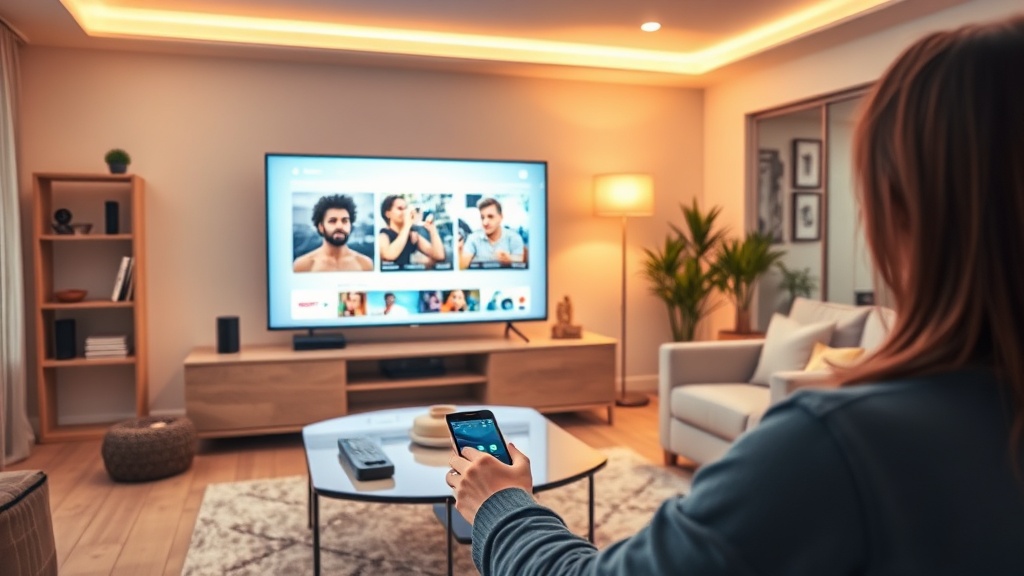
Picture quality is a critical factor for any television viewer. In the past, cable TV often held an edge in terms of consistent, high-definition picture quality, especially in areas with robust cable infrastructure. However, with advancements in internet speeds and IPTV technology, this gap has significantly narrowed. Modern IPTV services can deliver stunning 4K and even 8K resolution, provided you have a fast and stable internet connection.
Reliability is where the distinction between IPTV vs cable TV can become more pronounced. Cable TV, with its dedicated physical lines, is generally less susceptible to internet congestion or outages. While a severe storm can disrupt cable service, it’s often more resilient to common internet fluctuations. IPTV, being internet-dependent, can be affected by slow internet speeds, Wi-Fi issues, or network congestion, leading to buffering or a decrease in picture quality. However, many IPTV providers offer robust infrastructure to minimize these issues, making the debate of IPTV vs cable TV more about your internet service provider than the technology itself.
Performance in IPTV also extends to features like time-shifting, pause, rewind, and fast-forward live TV, which are often more seamlessly integrated and feature-rich than in traditional cable TV offerings. The interactive nature of IPTV allows for a more personalized and flexible viewing experience, empowering users to control their content consumption. This enhanced performance further strengthens the case for IPTV vs cable TV for many modern viewers.
Ultimately, the performance of IPTV is directly tied to the quality of your internet service. A high-speed, reliable internet connection is paramount for an optimal IPTV experience. Without it, even the best IPTV service may struggle to deliver the smooth, high-quality content that users expect, making the internet infrastructure a crucial part of the IPTV vs cable TV equation.
Cost-Effectiveness and Pricing Models: IPTV vs cable TV
The financial aspect is often a primary consideration when choosing between IPTV vs cable TV. Cable TV traditionally operates on a bundled subscription model, where you pay a fixed monthly fee for a package of channels, often including a set-top box rental. These bundles can sometimes feel expensive, especially if you find yourself paying for numerous channels you never watch. Hidden fees, such as installation charges, equipment rentals, and regulatory fees, can also inflate the overall cost.
IPTV, on the other hand, often presents a more flexible and potentially cost-effective pricing structure. Many IPTV providers offer tiered subscriptions, allowing you to choose packages based on the number of channels or specific content genres you desire. Some even offer pay-per-view options for individual events or on-demand content. This à la carte approach can lead to significant savings, as you only pay for what you genuinely want to watch. Exploring IPTV pricing can reveal substantial savings compared to traditional cable.
Furthermore, IPTV often requires less specialized equipment. While you might need a streaming device (like a smart TV, Amazon Fire Stick, or Android box), these are often one-time purchases rather than recurring rental fees. This upfront investment can be quickly recouped through lower monthly subscription costs, making IPTV a more budget-friendly option in the long run for many households. The economic argument for IPTV vs cable TV is becoming increasingly compelling.
It’s important to factor in your internet service costs when evaluating IPTV. While cable TV often bundles internet and TV services, IPTV requires a separate internet subscription. However, given that most households already have internet, the additional cost for IPTV might be marginal compared to adding a separate cable TV package. This holistic view of expenses is crucial when weighing the cost-effectiveness of IPTV vs cable TV.
Advanced Features and Interactivity: The Edge of IPTV vs cable TV
One of the most significant advantages of IPTV over traditional cable TV lies in its advanced features and enhanced interactivity. Because IPTV operates over the internet, it can seamlessly integrate with a wide range of digital functionalities that cable TV simply cannot match. This makes the debate of IPTV vs cable TV about more than just channels; it’s about the entire viewing experience.
IPTV often includes features such as video-on-demand (VOD), allowing you to watch movies and TV shows at your convenience, rather than being tied to a broadcast schedule. Time-shifting features, like pausing live TV, rewinding, and fast-forwarding, are also standard with most IPTV services, providing unparalleled control over your viewing. Cloud DVR capabilities allow you to record and store your favorite programs in the cloud, accessible from any device.
Beyond these core functionalities, IPTV platforms often offer personalized recommendations based on your viewing history, multi-screen viewing across different devices (smartphones, tablets, computers), and interactive program guides that provide rich metadata about shows and actors. Some even integrate social media features, allowing you to share what you’re watching with friends. This level of customization and engagement is a clear differentiator in the IPTV vs cable TV comparison.
The ability to access content on various devices, anywhere with an internet connection, is another powerful advantage. Whether you’re at home, on the go, or traveling, your IPTV subscription can follow you, offering seamless entertainment. This mobility and flexibility are increasingly important for modern consumers and are a strong point in favor of IPTV vs cable TV.
The Future Landscape of Entertainment: IPTV vs Cable TV in 2026
As we look ahead to 2026, the trajectory of television consumption clearly favors internet-based delivery. The rise of streaming services, the increasing demand for on-demand content, and the desire for personalized viewing experiences are all factors that bolster the position of IPTV. While cable TV has a long-established infrastructure and a loyal customer base, it faces significant challenges in adapting to these evolving consumer demands.
IPTV is inherently more agile and adaptable to technological advancements. As internet speeds continue to increase and new compression technologies emerge, IPTV will be better positioned to deliver even higher quality content, more interactive features, and a broader range of services. The integration of AI for personalized content curation and voice control is also more readily achievable within an IPTV framework.
The trend of “cord-cutting,” where consumers abandon traditional cable subscriptions in favor of streaming and IPTV alternatives, is expected to accelerate. This shift is driven by the desire for lower costs, greater flexibility, and access to a wider variety of niche content. The ongoing debate of IPTV vs cable TV is increasingly being won by the former, as consumers seek more control over their entertainment budgets and choices.
However, cable TV providers are not entirely out of the game. Many are investing heavily in their own internet services and attempting to integrate streaming capabilities into their existing offerings. The future may see a hybrid model where traditional cable infrastructure is used to deliver internet, which then powers IPTV-like services. Nevertheless, the underlying technology and user experience will increasingly lean towards the internet-centric model. The future of IPTV vs cable TV points towards a converged, internet-driven entertainment ecosystem.
Choosing the Right Entertainment for You: IPTV vs Cable TV
Deciding between IPTV vs cable TV in 2026 ultimately comes down to your individual needs, preferences, and circumstances. There isn’t a one-size-fits-all answer, as both technologies offer distinct advantages and disadvantages. Evaluating these factors carefully will help you make the best choice for your home entertainment setup.
If you value extensive channel lineups, robust reliability (especially in areas with less stable internet), and a traditional, straightforward viewing experience, cable TV might still be a viable option. Its established infrastructure can provide a consistent service, and some bundles might offer good value if you watch a wide variety of mainstream channels. However, be mindful of potential hidden fees and the lack of flexibility.
Conversely, if you prioritize flexibility, cost-effectiveness, on-demand content, advanced interactive features, and the ability to customize your channel lineup, then IPTV is likely the superior choice. It offers a modern, adaptable, and often more personalized viewing experience, especially if you have a fast and reliable internet connection. The ability to watch content on multiple devices and access a global library of programming further enhances its appeal. The discussion of IPTV vs cable TV leans heavily towards IPTV for the modern, tech-savvy consumer.
Consider your internet speed and data caps. A high-quality IPTV experience requires a stable, high-speed internet connection, and if you have data limits, extensive streaming could become costly. Also, think about the devices you already own or are willing to purchase. IPTV often works best with smart TVs or dedicated streaming boxes. Ultimately, the choice between IPTV vs cable TV in 2026 should align with your lifestyle and viewing habits.
Take the time to compare specific providers in your area, look at their channel packages, scrutinize their pricing models, and read user reviews. A little research can go a long way in ensuring you make an informed decision that enhances your home entertainment for years to come. The ongoing evolution of IPTV vs cable TV means staying informed is key.
Installation and Setup: IPTV vs Cable TV Simplicity
The installation and setup process can also be a deciding factor for many users when comparing IPTV vs cable TV. Traditional cable TV often requires professional installation. This involves technicians running coaxial cables to your home, installing wall plates, and setting up the cable box. While this ensures a proper connection, it can also involve scheduling appointments, waiting for technicians, and potentially paying installation fees. Once set up, the system is generally plug-and-play, but initial hurdles can exist.
IPTV, on the other hand, typically offers a much simpler, often DIY, setup. Since it relies on your existing internet connection, the primary requirement is a compatible streaming device (smart TV, Android box, Fire Stick, etc.) and an active IPTV subscription. You usually download an application, enter your subscription details, and you’re ready to go. This makes the process much faster and more convenient, eliminating the need for external technicians or extensive wiring. This ease of installation is a significant point in favor of IPTV vs cable TV for many tech-savvy users.
However, it’s worth noting that while the physical setup for IPTV is straightforward, ensuring your home network is optimized for streaming can sometimes require a bit of technical know-how. This might involve optimizing Wi-Fi signals, understanding router settings, or ensuring sufficient bandwidth for multiple devices. For the most part, though, the barrier to entry for IPTV is considerably lower than for cable TV, making the transition between IPTV vs cable TV less daunting.
The simplicity of setup for IPTV contributes to its growing popularity, especially among consumers who prefer to manage their own technology solutions. This self-sufficiency and quick deployment are compelling aspects when weighing the overall convenience of IPTV vs cable TV.
FAQ
What is the main difference between IPTV and cable TV?
The main difference lies in their transmission method. Cable TV uses coaxial cables to deliver signals, while IPTV uses your internet connection to stream content. This fundamental distinction impacts everything from channel selection and features to pricing and reliability in the IPTV vs cable TV debate.
Is IPTV cheaper than cable TV?
Often, yes. IPTV typically offers more flexible pricing models, allowing you to pay only for the channels and content you want. Cable TV often comes with bundled packages and hidden fees. However, the overall cost depends on your chosen IPTV provider, internet plan, and specific cable package, making the cost of IPTV vs cable TV a nuanced comparison.
Does IPTV require a fast internet connection?
Yes, a fast and stable internet connection is crucial for a good IPTV experience. High-definition and 4K content require significant bandwidth to prevent buffering and ensure high picture quality. Without adequate internet, the advantages of IPTV vs cable TV become less apparent.
Can I watch IPTV on multiple devices?
Absolutely. One of the key advantages of IPTV is its multi-device compatibility. You can typically watch IPTV on smart TVs, smartphones, tablets, computers, and dedicated streaming boxes, often simultaneously, depending on your subscription plan. This flexibility is a major selling point for IPTV vs cable TV.
Which offers better picture quality, IPTV or cable TV?
Both can offer excellent picture quality, including 4K. With a strong internet connection, IPTV can deliver stunning resolutions. Cable TV can also provide high-definition content. The quality often depends more on the specific provider, the source content, and your equipment rather than the technology itself in the IPTV vs cable TV comparison.
Related IPTV Services
You may also visit the following websites for similar services:
Related Articles
Interested in IPTV Lifetime?
Get premium IPTV lifetime access with 25,000+ channels and 26,000+ movies. Contact us to learn more about our lifetime IPTV subscription plans.
View IPTV Lifetime Plans